6
Lonitab (minoxidil tablets) is an oral medication originally developed for severe hypertension, but in recent years it has become increasingly popular in dermatology for the treatment of hair loss. Low-dose oral minoxidil is now widely discussed as an alternative for patients who do not respond well to topical solutions or who struggle with long-term topical application routines.
Because oral minoxidil affects blood vessels and circulation, it works differently from many traditional hair loss treatments. Its growing use reflects increasing clinical interest in therapies that stimulate hair follicles through systemic mechanisms rather than surface-level scalp application alone.
What Lonitab Is Used For
Lonitab contains minoxidil, a potent vasodilator originally prescribed for resistant high blood pressure. In dermatology, low-dose oral minoxidil is commonly used off-label for:
- Male pattern hair loss
- Female pattern hair loss
- Diffuse hair thinning
- Chronic shedding conditions in selected patients
Compared to topical formulations, oral treatment may provide more consistent follicular exposure because the medication reaches hair follicles through the bloodstream.
For a detailed overview of strengths, dosing information, and treatment expectations, see this guide on how Lonitab (minoxidil tablets) are used for hair loss treatment:
lonitab minoxidil tablets treatment guide
How Oral Minoxidil Works
Minoxidil primarily functions as a vasodilator, meaning it relaxes blood vessels and improves circulation.
This may help:
- Increase blood flow to hair follicles
- Improve nutrient and oxygen delivery
- Extend the anagen (growth) phase of hair follicles
- Stimulate miniaturized follicles to produce thicker hairs
Hair loss conditions such as androgenetic alopecia often involve progressive follicular miniaturization. Oral minoxidil may help counteract this process by improving follicular activity over time.
Although the exact mechanism behind hair stimulation is still being studied, increased follicular blood supply and potassium channel activation are considered important factors.
Why Oral Minoxidil Has Become More Popular
Many patients struggle with topical minoxidil because of:
- Scalp irritation
- Dryness
- Greasy residue
- Difficulty maintaining twice-daily application
Low-dose oral therapy avoids direct scalp application and may improve adherence for long-term treatment.
Dermatologists increasingly prescribe oral minoxidil for patients who:
- Stop topical therapy due to irritation
- Want simpler treatment routines
- Need stronger stimulation than topical products provide
Its popularity has increased significantly in recent years due to positive clinical experiences in both men and women experiencing pattern hair loss.
Treatment Timeline and Expectations
Hair growth treatments generally require patience.
With oral minoxidil:
- Early shedding may occur temporarily
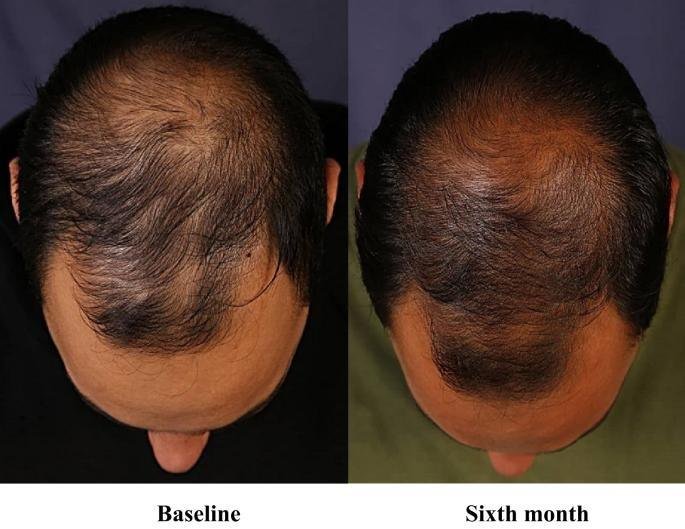
- Visible improvement often begins after several months
- Hair density improvements continue gradually over time
Many patients notice:
- Reduced shedding first
- Increased hair thickness later
- Gradual filling of thinning areas
Because hair cycles are slow, treatment results usually develop progressively rather than immediately.
Consistency is one of the most important factors in achieving visible improvement.
Proper Dosing and Medical Supervision


Lonitab tablets are available in different strengths such as:
- 2.5 mg
- 5 mg
- 10 mg
For hair loss, dermatologists typically use much lower doses than those originally prescribed for hypertension.
Dosing varies depending on:
- Gender
- Hair loss severity
- Cardiovascular history
- Individual tolerance
Because oral minoxidil affects blood pressure and circulation, medical supervision is important during treatment.
Possible Side Effects
Like all systemic medications, oral minoxidil may cause side effects.
Potential side effects include:
- Increased body or facial hair growth
- Mild swelling or fluid retention
- Increased heart rate
- Lightheadedness in some individuals
The risk of side effects may increase with higher doses.
Patients with cardiovascular conditions should discuss treatment suitability carefully before starting therapy.
Long-Term Hair Loss Management
Hair loss is often chronic and progressive. Successful long-term management may involve:
- Continuous treatment
- Hormonal evaluation when appropriate
- Nutritional support
- Combination therapy with other treatments
Oral minoxidil is frequently combined with:
- Finasteride
- Dutasteride
- Topical therapies
- Scalp health treatments
Combination approaches may improve long-term results because hair loss often involves multiple biological mechanisms.
Clinical Information
For medically reviewed information about oral minoxidil and hair loss therapy, see this clinical overview of minoxidil mechanism and safety:
minoxidil clinical mechanism and safety overview
Conclusion
Lonitab (minoxidil tablets) has become an increasingly important option in modern hair loss treatment, especially for patients seeking alternatives to topical therapy. By improving follicular circulation and supporting hair growth cycles, oral minoxidil may gradually improve hair density and reduce progressive thinning over time.
When used under proper medical supervision and combined with realistic expectations, it can become a valuable part of long-term hair restoration strategies.