
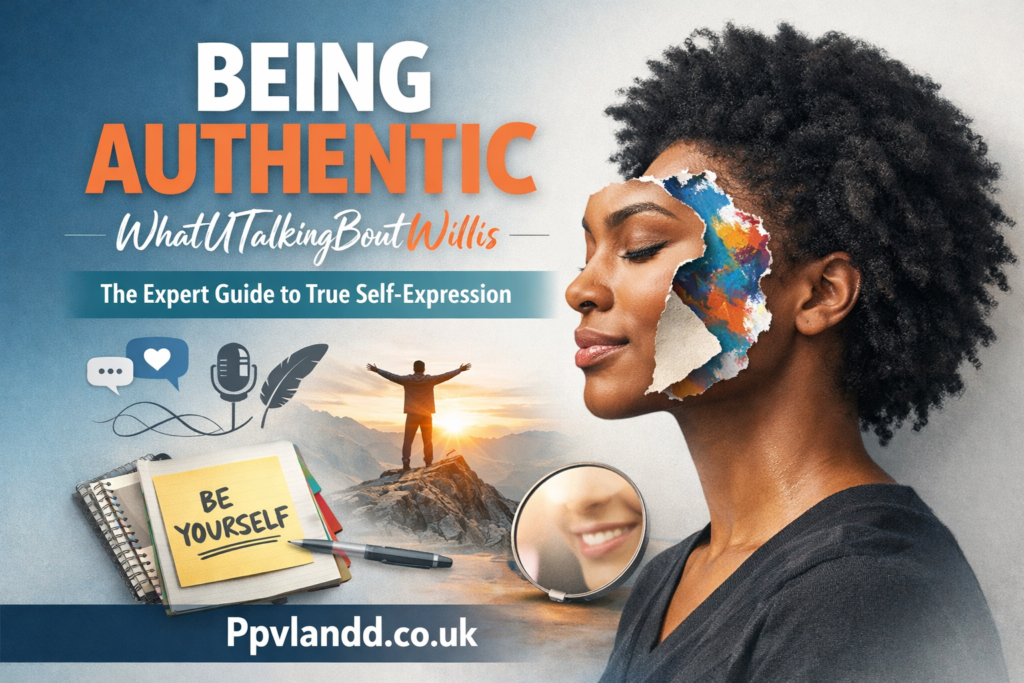

Being Authentic WhatUTalkingBoutWillis: A Definitive Guide to Genuine Self‑Expression
In a world full of curated feeds, polished personas, and social expectations, being authentic whatutalkingboutwillis is more than a quirky phrase—it’s a call to embrace true self‑expression. This deep dive breaks down why authenticity matters, how it transforms relationships and careers, and what it really takes to live in alignment with your values. Whether you’re seeking personal growth, professional credibility, or a life that feels truly yours, this guide is your authority resource on authenticity.
Authenticity isn’t a buzzword. It’s a practiced mindset rooted in psychology, communication science, and lived experience. By the end of this long‑form article, you’ll understand the concept from multiple angles—cultural, cognitive, relational, and practical—so you can embody authenticity with confidence and nuance.
What Being Authentic Really Means
At its core, being authentic whatutalkingboutwillis means showing up as who you genuinely are—thoughts, feelings, values, and behaviors aligned. Authenticity isn’t perfection; it’s coherence between internal experience and external expression. People who live authentically don’t mask their emotions or conform simply to fit in.
Psychologists define authenticity as a stable sense of self, consistency across contexts, and honest self‑representation. When someone stays true to their values—even when it’s unpopular—they embody the essence of authenticity. That’s why being authentic whatutalkingboutwillis isn’t just trendy language; it reflects a deeper psychological phenomenon with real social impact.
Cultivating authenticity requires introspection, courage, and resilience. It’s about breaking free from expectations and aligning actions with personal truth. Over time, this strengthens self‑trust and builds deeper connections with others. In relationships, workplaces, and leadership, authenticity fosters trust and credibility.
The Psychology Behind Authenticity
Authenticity isn’t magic—it has psychological roots. Research shows that authentic people experience higher well‑being, stronger relationships, and greater life satisfaction. That’s because they operate from self‑knowledge, not external validation. When you embrace being authentic whatutalkingboutwillis, your mental energy shifts from impression management to genuine engagement.
Human beings are wired for connection. Authentic communication activates social bonding and mutual trust. It signals to others that you’re predictable in your values and consistent in your behavior. This predictability fosters lasting relationships. From a psychological standpoint, authenticity reduces internal conflict, anxiety, and the cognitive burden of “performing.”
However, many people struggle with authenticity due to fear of judgment, rejection, or failure. Overcoming these barriers means practicing vulnerability—showing your true self despite uncertainty. Vulnerability isn’t weakness; it’s a strength rooted in courage. When individuals embrace being authentic whatutalkingboutwillis, they often unlock unexpected opportunities for growth.
Why Authenticity Matters in Leadership
In leadership, being authentic whatutalkingboutwillis isn’t optional—it’s essential. True leaders inspire because people sense when someone’s words align with actions. Authentic leaders are transparent about challenges, values, and decisions, and they hold themselves accountable. This builds trust, fosters loyalty, and drives team performance.
Leaders who hide behind facades or corporate jargon struggle to connect. Their teams may perform, but they don’t engage at deeper levels. Authentic leadership creates psychological safety—an environment where people feel safe to take risks, speak up, and innovate. This kind of culture fuels long‑term success.
Consider leaders like Satya Nadella or Brené Brown, who have publicly discussed vulnerability and personal growth as part of their leadership journey. They embody being authentic whatutalkingboutwillis by showing both strengths and limitations. Their influence isn’t just about directives—it’s about human connection and integrity.
Authenticity in Personal Relationships
Authentic relationships thrive on mutual understanding and real communication. When you practice being authentic whatutalkingboutwillis, you open avenues for deeper trust and emotional intimacy. This isn’t about sharing everything with everyone—it’s about sharing what matters with people who matter.
Healthy relationships require vulnerability. Hiding emotions or pretending to be someone you’re not creates distance and misunderstanding. In contrast, authentic connection invites reciprocity. When one person models honesty, the other feels safe to reciprocate. Over time, this builds a bond grounded in reality, not illusion.
Authenticity also helps manage conflict. When issues arise, honest dialogue rooted in genuine feelings leads to resolution. Avoiding conflict or masking emotions may seem easier short‑term, but it erodes trust long‑term. Embracing authentic communication reinforces connection and mutual respect.
Cultural Misconceptions Around Authenticity
Many cultures promote conformity, creating tension with the idea of being authentic whatutalkingboutwillis. People are socialized to fit roles—student, employee, parent, partner—often at the expense of personal truth. Popular culture sometimes equates authenticity with rebellion or nonconformity, which can distort its true meaning.
Authenticity isn’t rebellion against norms. It’s aligning with personal values while respecting context. You can be authentic and still adhere to social responsibilities. The key is not sacrificing your core self for acceptance or validation. When authenticity is misunderstood as opposition, people may resist it out of fear or confusion.
In some societies, “saving face” or maintaining harmony takes precedence over honest expression. While cultural sensitivity matters, suppressing authentic expression can lead to inner conflict and emotional strain. Understanding culturally respectful ways to express authenticity is crucial for individuals navigating diverse social landscapes.
Authenticity’s Role in Career Success
Contrary to old career advice that urged “fake it till you make it,” modern research shows that authenticity drives success. Professionals who are genuine in their work relationships build stronger networks, communicate more effectively, and exhibit clearer career trajectories. This is precisely what being authentic whatutalkingboutwillis advocates.
Authenticity enhances personal branding. Employers and clients value individuals who bring unique perspectives grounded in genuine expertise. Authentic professionals don’t just replicate trends—they innovate based on their true strengths. This builds trust and differentiation in competitive markets.
However, authenticity doesn’t mean disregarding professional norms. It means integrating your values into your professional persona. For example, a marketer might express creativity differently than an engineer expresses precision—but both can be authentic to their fields. Authenticity fosters clarity, not chaos.
How to Cultivate Authenticity Daily
Cultivating authenticity is a practice, not a destination. It requires daily reflection, feedback, and self‑adjustment. Start with self‑awareness: understand what you value, what motivates you, and where discomfort arises. Journaling, meditation, and honest conversations can illuminate inner truths.
Next, test your alignment. Notice moments when you modify behavior to please others. Ask: “Is this choice true to me?” Over time, this question sharpens your discernment. Practicing being authentic whatutalkingboutwillis becomes intuitive, not forced.
Finally, seek community. Surround yourself with people who honor authenticity and encourage growth. Supportive networks reinforce your efforts and provide honest mirrors. Authenticity thrives where mutual trust exists.
Common Myths About Authenticity
There are many myths that cloud understanding of authenticity. One is the belief that authenticity means complete transparency. In reality, authentic people set boundaries. You don’t share everything with everyone. You share appropriately and truthfully.
Another myth is that authenticity eliminates all conflict. Authenticity actually invites constructive conflict when needed. It fosters clarity, not conflict avoidance. These misunderstandings often discourage people from pursuing authentic lives.
Authenticity isn’t synonymous with self‑centering. It doesn’t mean pursuing desires without regard for others. Instead, it’s rooted in empathy, respect, and mutual growth. Dispelling these myths helps clarify what being authentic whatutalkingboutwillis truly entails.
Measuring Authenticity: A Structured Look
Here’s a breakdown that helps you assess authentic behavior in practical life:
| Aspect of Life | Inauthentic Signs | Authentic Indicators |
| Communication | Exaggeration, avoidance | Clear, honest statements |
| Decision‑Making | People‑pleasing | Value‑based choices |
| Relationships | Fear of conflict | Constructive dialogue |
| Career | Role conformity only | Strength‑aligned progression |
| Self‑View | Self‑criticism | Balanced self‑awareness |
This table highlights how being authentic whatutalkingboutwillis shows up across life domains. Regular reflection using these dimensions supports growth and alignment.
Quote on Authenticity
“Authenticity is the daily practice of letting go of who we think we’re supposed to be and embracing who we are.” — Brené Brown
This perspective encapsulates what being authentic whatutalkingboutwillis truly means: a journey of self‑acceptance and expression.
Stories of Real‑World Authenticity
Consider a professional who left a high‑paying role that conflicted with their values. They felt uneasy despite success. After deep reflection, they transitioned into work aligned with their passion. Their performance skyrocketed—not because the job was easier, but because it resonated with who they were. This exemplifies being authentic whatutalkingboutwillis in action.
Another story: an artist struggling with self‑doubt began sharing unfiltered work online. Initially met with criticism, they found a loyal audience who resonated with their raw expression. The artist’s career flourished, not because they chased trends, but because they stayed true.
Practical Strategies for Authentic Communication
Authentic communication means speaking with clarity, honesty, and empathy. Practice active listening—focus on understanding before responding. This honors others while expressing your truth.
Next, use “I” statements. For example, “I feel overwhelmed when…” expresses your internal state without assigning blame. These subtle shifts reflect being authentic whatutalkingboutwillis and build constructive dialogue.
Finally, reflect before responding. In momentary reactions, people often default to defensiveness or avoidance. A brief pause allows thoughtful expression aligned with authentic intent.
The Impact of Authenticity on Well‑Being
Authenticity positively correlates with mental health. People who live in alignment with their values experience less anxiety, more resilience, and greater life satisfaction. This integration reduces internal conflict and enhances emotional regulation.
Being authentic whatutalkingboutwillis also strengthens self‑esteem. Rather than relying on external approval, authentic individuals derive confidence from self‑trust. This stabilizes mood and reinforces purpose.
Future Trends: Authenticity in the Digital Age
With AI and digital personas rising, authenticity remains a differentiator. Audiences crave real human voices amid polished digital facades. Brands and individuals who embrace being authentic whatutalkingboutwillis stand out in saturated spaces.
Digital platforms offer both challenges and opportunities. Curated images may pressure conformity, but genuine storytelling builds deep connection. The future favors those who balance digital expression with authentic truth.
Conclusion
Authenticity is more than a concept—it’s a lived philosophy. Being authentic whatutalkingboutwillis involves aligning your inner world with your outward actions. It strengthens relationships, boosts well‑being, and enhances leadership and career success. By practicing authenticity daily—through honest communication, self‑reflection, and value‑based choices—you can lead a life that feels true, fulfilling, and deeply connected.
FAQs About Being Authentic WhatUTalkingBoutWillis
What does being authentic whatutalkingboutwillis actually mean?
Being authentic whatutalkingboutwillis means expressing your true self—values, thoughts, and feelings—without pretense or performance, aligning inner truth with outward actions.
Why is authenticity important in relationships?
Authenticity builds trust, clarity, and emotional intimacy. When partners practice being authentic whatutalkingboutwillis, they communicate openly and resolve conflict constructively.
Can authenticity be learned?
Yes. Authenticity grows through self‑awareness, reflection, feedback, and intentional behavior. Being authentic whatutalkingboutwillis is a skill developed over time.
How does authenticity impact success at work?
Authentic professionals build credibility, strong networks, and meaningful careers. Being authentic whatutalkingboutwillis aligns work with values and fosters trust in teams.
Is authenticity the same as transparency?
Not exactly. Authenticity involves truthfulness with boundaries. You can be honest while respecting context. Being authentic whatutalkingboutwillis means choosing what to share wisely and genuinely.